Many parents teach the way they learn best. It's natural-it's what worked for us, so we assume it'll work for them. But here's the danger: your child's learning style may not match yours. And when that happens? Frustration sets in for both of you.
What Are Learning Styles?
Learning styles refer to preferred ways individuals absorb and process information. Acknowledging diverse learning preferences fosters a more effective educational environment, enhancing understanding and engagement.
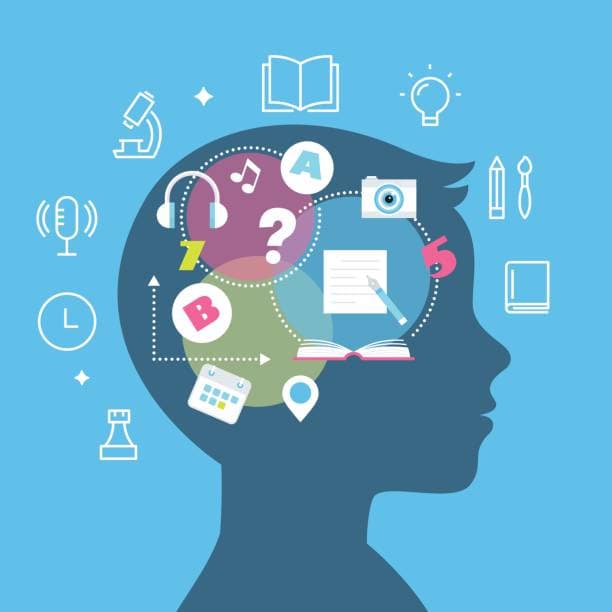
Research shows there are 7 main ways children learn:
- Visual: Engaging with images or diagrams enhances understanding
- Auditory: Music, rhythm, listening or discussions aids retention
- Kinaesthetic: Hands-on activities foster active learning experiences
- Verbal: Words, reading, writing, speaking
- Logical: Reasoning, patterns, systems, numbers
- Social: Group work, discussion, collaboration
- Solitary: Independent study, quiet reflection
How to identify your child’s learning style:
- By self assessment quizzes
- By observation
- Feedback from their teachers/tutors
- Study Habits - Analyze your routine to discover preferred methods.
Most children won't fit neatly into just one box. You might notice your child is visual but also kinaesthetic. The key is observing or spotting the patterns.
Why This Matters for the 11+?
Success with the 11+ isn't just about what you teach-it's about how you teach it. A child who learns best through movement (kinaesthetic) will struggle to sit still for 30 minutes of worksheets. A child who needs quiet reflection (solitary) will shut down in a noisy, high-pressure environment.
Here is the golden rule: how your child learns should shape how you teach-not the other way around. Whether you're preparing for the 11+ or just helping with homework, tailoring your approach to them makes all the difference.